PLANNED BREEDINGS |
 |  |  |  |
 |  |  |  |
When looking for a puppy of any breed there are several important factors to consider:
|
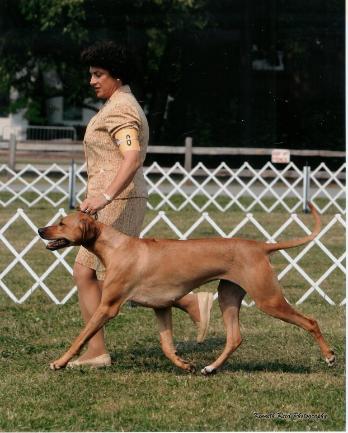
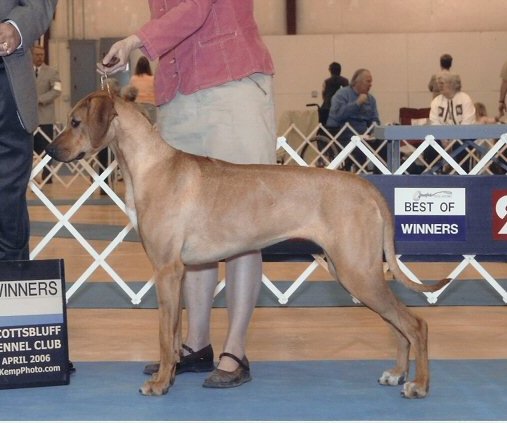
At Koda we strive to raise the healthiest, best looking Ridgebacks we can, and adhere to the Breed Standard of the Rhodesian Ridgeback Club of the United States. We raise our puppies inside our home with lots of interaction with the family, visitors, and our adult dogs. We feel strongly that early socialization is vital to this breed and utilize the Super Dog Program when rearing puppies. This program, also known as "Early Neurological Stimulation", involves a series of exercises designed to reduce stress and help puppies become well adjusted adults - the Super Dog program was developed by Carmen Battaglia PhD, and is used extensively by breeders of military and assistance dogs. We only breed from dermoid free stock and only use dogs who have passed health testing, such as: OFA hips/elbows/thyroid/cardiac, BAER hearing test, and CERF eye test. We have just begun to test for Degenerative Myelopathy, as well. We only breed AKC champions, or dogs capable of finishing an AKC championship. Pet quality pups are sold on a spay/neuter contract. Show potentials are sold on co-ownership contracts which allow the breeder (or owner if they are so inclined) to show the dog if it turns out to be worthy. We do not cull ridgeless puppies or puppies affected with dermoid sinus (dermoid puppies are sold after dermoid removal); these pups make wonderful pets! In order to be considered for a puppy we ask that potential owners complete and return our Puppy Questionnaire and make arrangements to visit our home and our dogs. Please see the links below for more information on our planned breedings and requirements for new owners: We have a very exciting litter planned for February 2011. Lindy (BISS CH Koda's Quick Step, CGC) who has produced some phenomenal puppies for us will be bred one final time. If you are interested in being placed on our waiting list, please fill out our Puppy Questionnaire, return to us via email or USPS, and you will be contacted shortly. Our beautiful Lindy daughter in California, Devin, delivered 12 ridged puppies on November 28th. For more information about available puppies please contact her owner, Lisa Adams - PVRR Ridgebacks: k9agjunkie@gmail.com For current puppy or adult dog availability please contact Alice at: capsridgeback@elpasotel.net |

| "Lindy" BEST IN REGIONAL SPECIALTY SHOW CH Koda's Quick Step, CGC OFA hips -good OFA elbows/cardiac/thyroid- normal DM - normal BAER hearing test - normal CERF eye test - normal Puppies due February, 2011 - stay tuned for updates. |
| Koda-Kaba Litter Info |
| Koda-Kaba Pedigree |